








Underpinning Services London
- Safe, Engineered Foundation Strengthening
Underpinning is a structural method used to strengthen and stabilise existing foundations. It is typically required when a property has experienced subsidence, when additional storeys are planned, or when a basement is being constructed beneath or adjacent to an existing structure.
In London, underpinning is commonly needed due to clay soil movement, tree root influence, nearby excavations, or ageing foundations that no longer meet structural demands.
At Space Excavation, we deliver engineered underpinning solutions designed to restore stability, increase load capacity, and protect the long-term integrity of your property.

METHODS OF UNDERPINNING
✓ Mass Concrete Underpinning
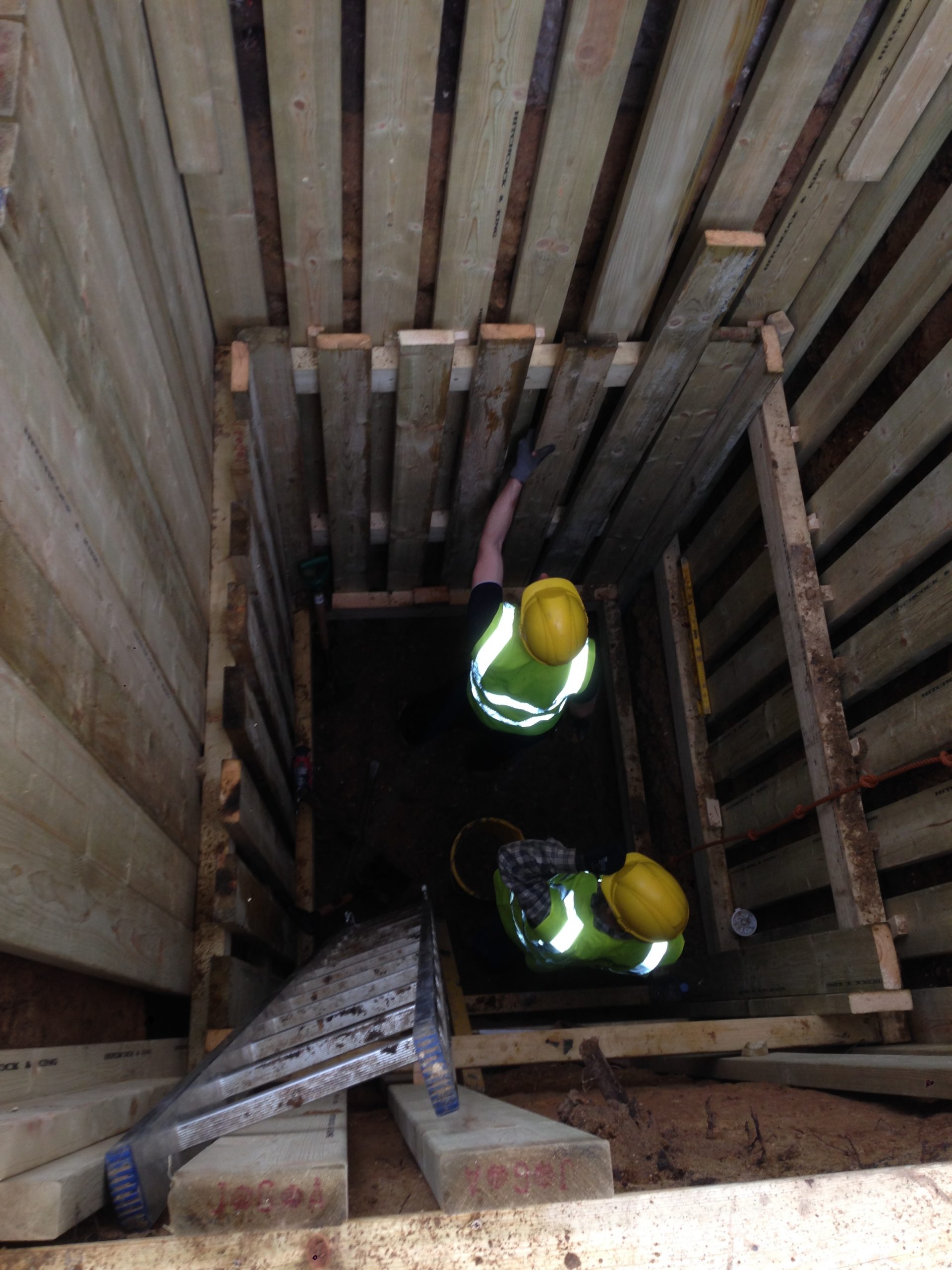
Mass concrete underpinning, often referred to as the pit method, is one of the most established techniques for strengthening existing foundations. The process involves excavating controlled sections beneath the external walls in a carefully sequenced manner. Each section is dug to a specified depth below the existing foundation, assessed for ground stability, and then filled with structural concrete.
Once the concrete has cured, the load of the building is safely transferred to the new, deeper base. In certain cases, dry packing is used to ensure full contact between the existing foundation and the newly formed concrete.
This method is typically suitable for residential properties where ground conditions are stable and access allows staged excavation.
✓ Base and Beam Underpinning
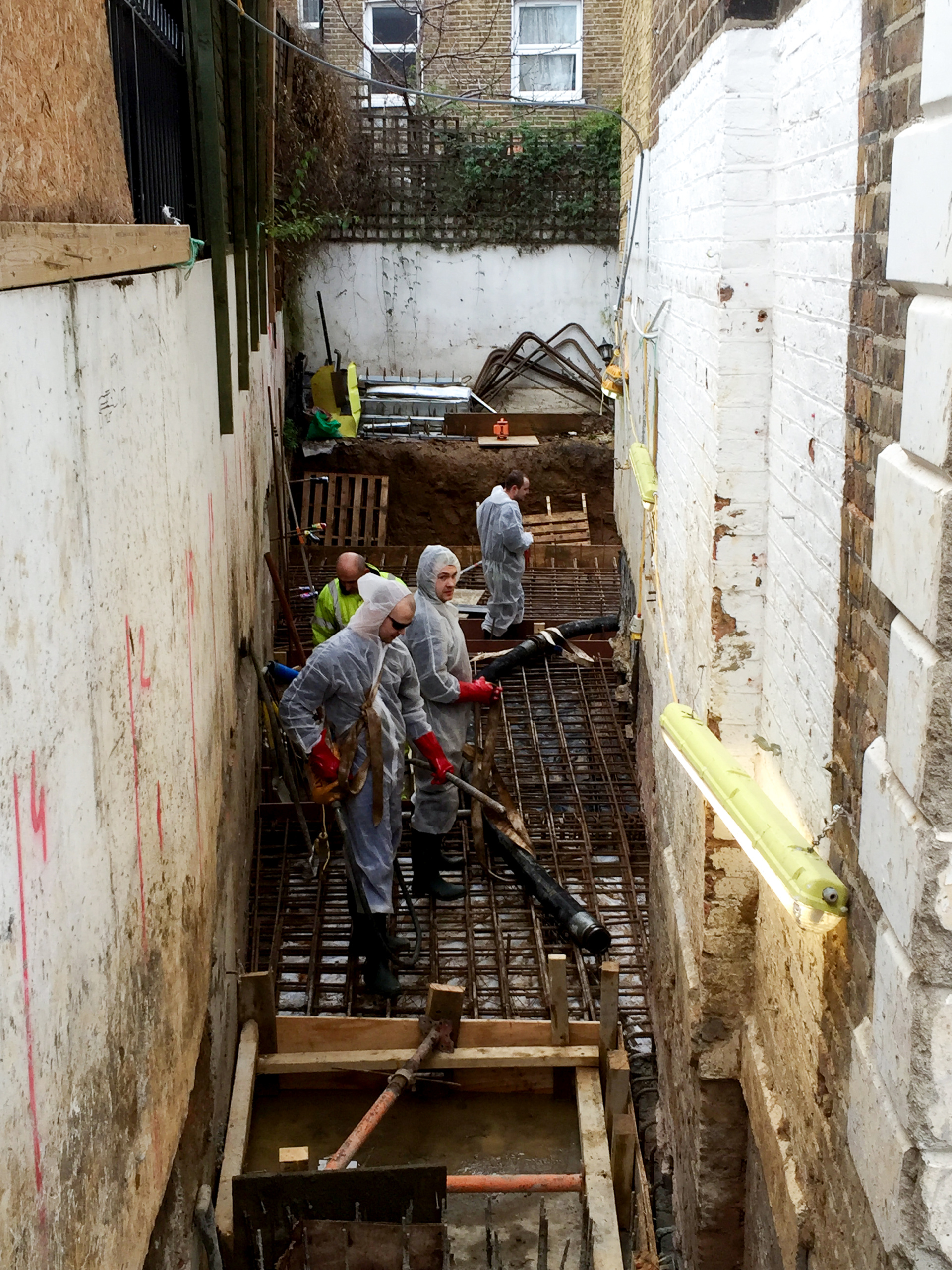
Beam and base underpinning is a reinforced solution that builds upon the traditional mass concrete method. Instead of relying solely on concrete-filled pits, this technique introduces a reinforced concrete beam beneath the existing foundation to distribute structural loads more effectively.
The process involves excavating sections at controlled intervals along the external wall. Reinforcement steel is installed within the excavation before concrete is poured, forming a continuous beam that strengthens and connects the underpinning sections.
This method is commonly used where additional floors are being added or where significant structural alterations increase load demands. It is suitable for a range of ground conditions and provides enhanced stability compared to traditional mass concrete underpinning.
✓ Pile and Beam Underpinning
Pile and beam underpinning is used where deeper, more stable ground must be reached or where access is restricted.
The method involves forming openings beneath the existing foundation to allow installation of reinforced concrete needle beams. Structural piles are then driven or bored into stable load-bearing strata on either side of the foundation. A reinforced beam connects the piles and transfers the building load safely onto the new deep supports.
Once installed, the system redistributes structural loads away from weakened soil and onto engineered piles, providing long-term stability. This solution is commonly specified for significant subsidence, poor ground conditions, or complex basement projects.
Mini Piled Underpinning
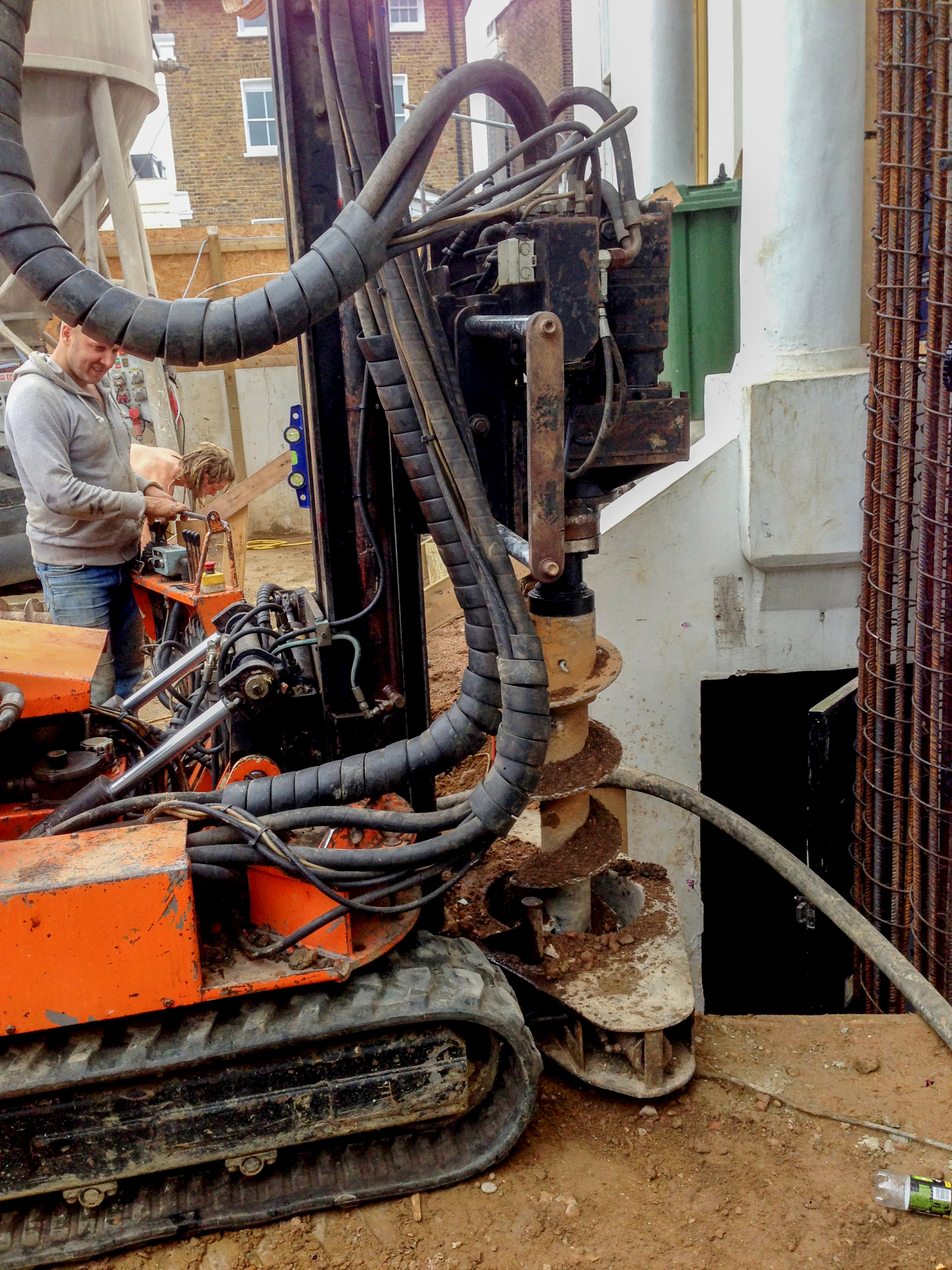
Mini-piled underpinning is a variation of the pile and beam system, designed for sites with limited access or restricted headroom. Small-diameter piles are installed using specialist equipment, reducing vibration and disruption. These may be combined with cantilever needle beams or pre-load testing where structural verification is required.
Mini-piling is particularly effective in dense urban areas of London, where space constraints and neighbouring structures demand precision and minimal ground disturbance.
Structural Benefits of Underpinning
Underpinning does more than stabilise foundations. It can also unlock practical improvements within your home.
Increased Headroom and Natural Light
When lowering or constructing a basement, underpinning creates full-height spaces with improved proportions and usability. This allows basements to function as offices, living areas, or guest rooms rather than low-ceiling storage spaces.
Access to Services and Infrastructure
Basement works often provide access to plumbing, electrical systems, drainage, and insulation. This creates an opportunity to inspect, upgrade, and modernise essential services while structural works are underway.
Improved Layout Flexibility
Once foundations are strengthened, structural modifications such as removing internal walls or reconfiguring layouts can be carried out with greater confidence. This allows homeowners to redesign spaces while maintaining long-term structural stability.
SIGNS THAT SHOW UNDERPINNING MAY BE NECESSARY
Foundation movement can cause a property to shift, leading to structural instability if left unaddressed. When ground conditions change or foundations weaken, professional structural assessment is essential.
Common signs that underpinning may be required include:
Structural movement often develops gradually. Early identification reduces the risk of further damage and costly repairs.
- Doors and Windows Misaligning
If doors or windows begin sticking, jamming, or failing to close properly across multiple areas of the property, this may indicate movement within the structure. - Sloping or Uneven Floors
Noticeable changes in floor levels can suggest settlement or shifting foundations. - Gaps Between Walls, Floors, or Ceilings
Separation where walls meet ceilings or floors may indicate structural displacement. - Significant Floor Cracking
Cracks running across large sections of flooring, particularly from wall to wall, can signal underlying movement rather than surface wear. - Persistent Wall Cracks
Cracks that widen over time, reappear after repair, or follow stair-step patterns in brickwork are commonly associated with foundation settlement. - Bulging or Rotating Walls
External walls that appear to lean or rotate may result from soil movement or prolonged water saturation around the foundation. - Detached Mouldings or Skirting
Separation of internal finishes from structural elements can reflect underlying movement. - Chimneys or Porches Pulling Away
Where attached structures begin to separate from the main building, foundation movement beneath one section may be occurring.
Will Underpinning London Provide A Permanent Fix?
When properly designed and engineered, underpinning can provide a long-term structural solution to subsidence and foundation instability.
However, the effectiveness of any underpinning system depends on accurate diagnosis. Ground conditions, foundation depth, load requirements, and the cause of movement must all be assessed before a method is selected. No single technique is suitable for every situation.
In some cases, reinforced concrete underpinning is appropriate. In others, piled solutions are required to transfer loads to deeper, stable strata. The correct approach is determined through structural evaluation and, where necessary, soil investigation.
At Space Excavation, each project is assessed individually. We provide clear recommendations based on site conditions and structural requirements, ensuring the chosen solution addresses the root cause of movement rather than just the visible symptoms.