





Exploring Alternatives: Can Subsidence Be Fixed Without Underpinning?
The discovery of subsidence affects thousands of property owners across the UK every year, particularly those situated on the shrinkable clay soils of London and the South East. The immediate association with subsidence is often heavy engineering, significant disruption, and exorbitant costs. The prevailing assumption is that concrete must be poured beneath the foundations to save the structure. However, this is not always the case. In fact, a significant proportion of subsidence claims are resolved through less invasive means.
The critical question for any surveyor or structural engineer assessing a shifting property is: can subsidence be fixed without underpinning? The answer depends entirely on the root cause of the movement. Understanding the geology and the external factors affecting the soil is paramount before any remedial strategy is proposed.
Diagnosing the Root Cause
Before we can determine can subsidence be fixed without underpinning, we must identify why the ground is moving. Subsidence is the downward movement of the ground supporting the building’s foundations. In the London area, this is predominantly caused by two factors: soil desiccation due to vegetation or the softening of the ground caused by escaping water from defective drains.
If the structural movement is historic and the ground has stabilized, cosmetic repairs may be all that is required. However, if the movement is progressive, we must intervene. The industry standard is to monitor the crack widths and levels over a period, usually 12 months, to understand the seasonal cycles. This data dictates the solution. In many instances involving tree-related clay shrinkage, can subsidence be fixed without underpinning? Yes, frequently.
Drainage Repairs and Soil Stabilisation
A common culprit for localized subsidence in Victorian and Edwardian terraces is a compromised drainage system. Old clay pipes often crack or displace due to root ingress or ground movement. Water leaks into the subsoil, washing away the “fines” (fine particles of soil) or softening the ground to the point where it can no longer support the foundation load.
In this scenario, can subsidence be fixed without underpinning? Absolutely. The priority is to repair the drains. Modern Cured-In-Place Pipe (CIPP) lining techniques or patch repairs can seal the system without the need for excavation. Once the source of the water is eliminated, the ground is often capable of regaining its load-bearing capacity over time. We stabilize the environment, and the building stabilizes with it. This is a far more cost-effective and less disruptive route than structural intervention.
Vegetation Management: The Arboricultural Solution
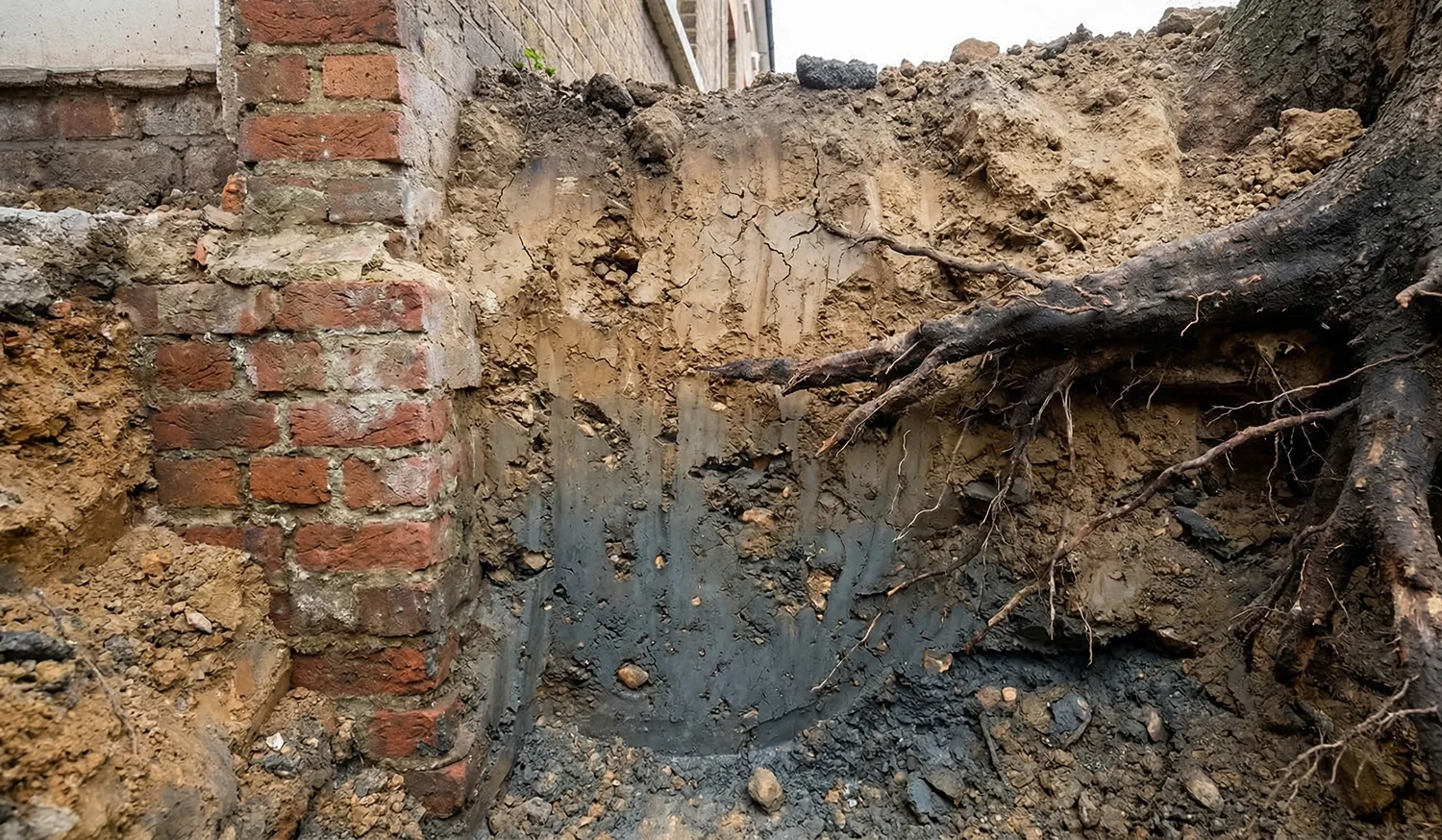
The highly plastic London Clay is notorious for shrinking when it dries out. Large trees—particularly Oaks, Willows, and Poplars—extract immense volumes of moisture from the soil during the summer months. This causes the clay volume to reduce, and the foundations drop.
When a surveyor asks can subsidence be fixed without underpinning, the first place they look is the garden. If a tree is within the zone of influence, removing or heavily pruning the tree can allow the soil to rehydrate and recover. This process, known as heave recovery, must be managed carefully by an arboriculturist and a structural engineer to prevent upward movement that could cause fresh damage. However, statistically, vegetation management resolves a vast number of subsidence cases without a single drop of concrete being poured.
The Role of Resin Injection
Innovation in geopolymer technology has provided another answer to the question can subsidence be fixed without underpinning. Resin injection involves pumping a structural expansive polymer into the ground beneath the footings. The material expands, fills voids, and compacts the weak soil, increasing its bearing capacity.
This method is rapid, clean, and often completed within a day or two. It is particularly effective for solid concrete floor slabs that have dropped. While not suitable for every geological profile, it is a powerful tool in the engineer’s arsenal that avoids traditional excavation.
When Is Underpinning Necessary?
To understand why we seek alternatives, we must understand the alternative itself. What is underpinning on a house? It is the process of extending the existing foundation depth to reach a stable soil stratum. It is the “nuclear option” of structural repair. While it provides a robust, permanent solution, it is labour-intensive and costly.
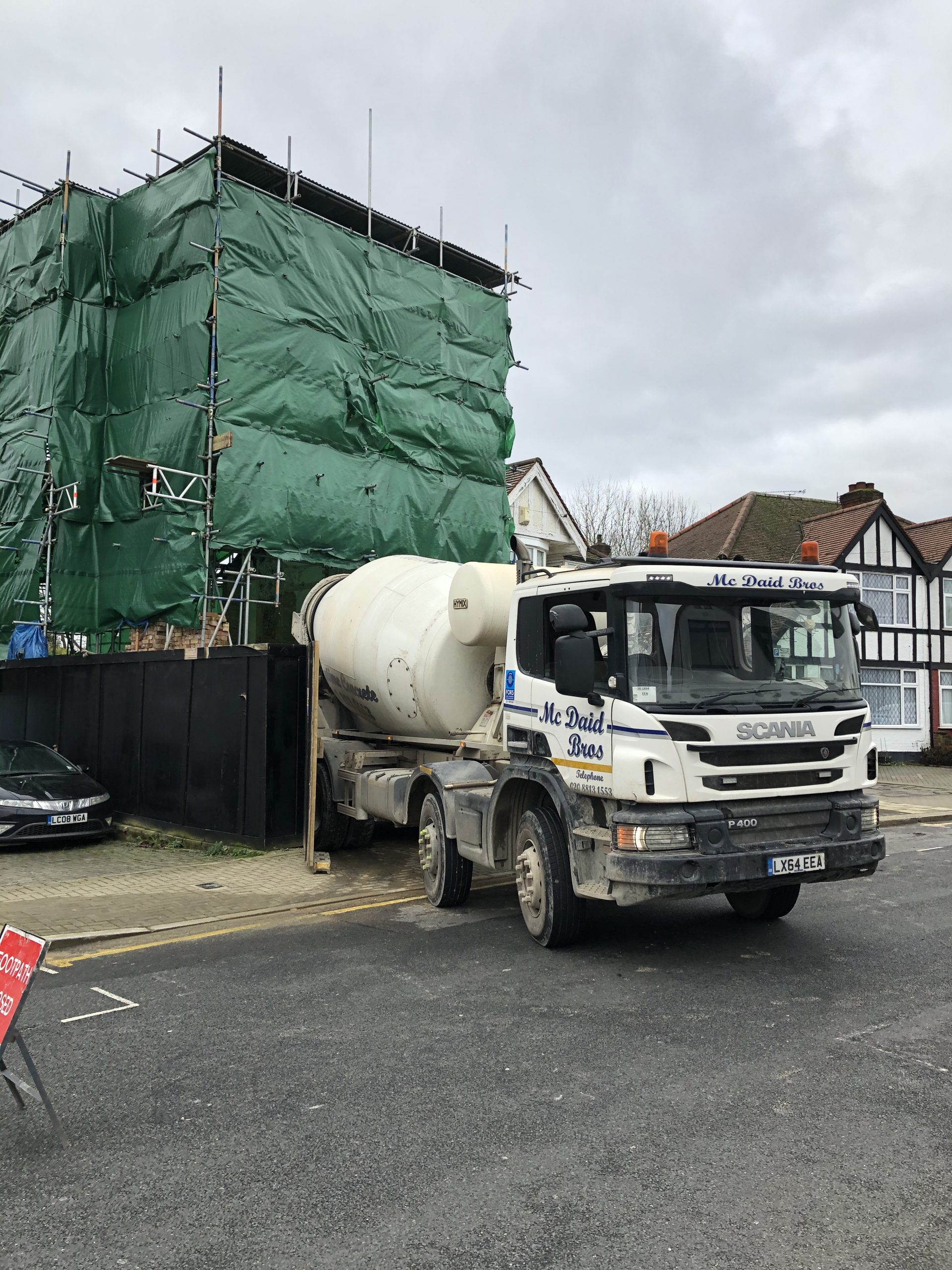
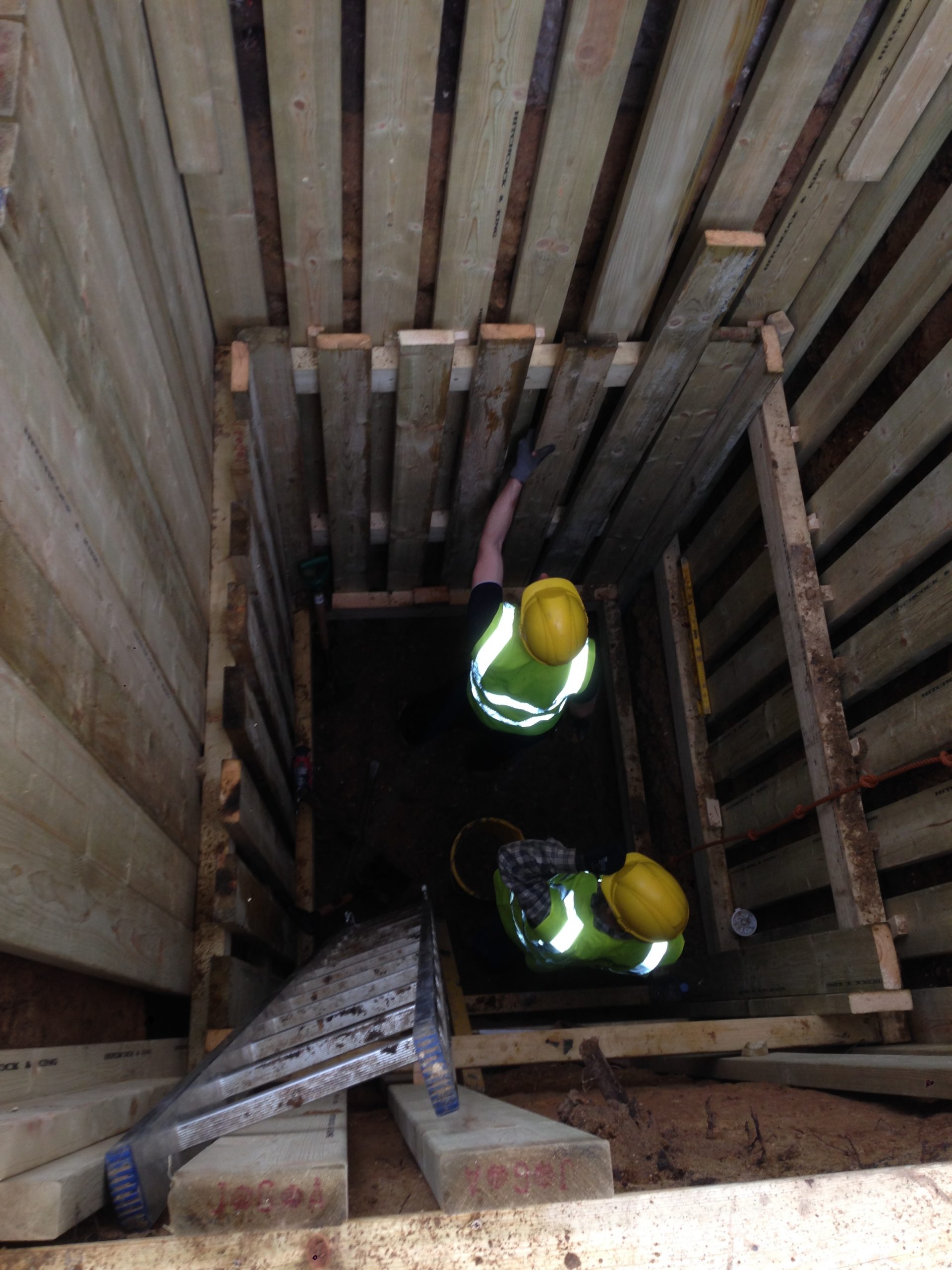
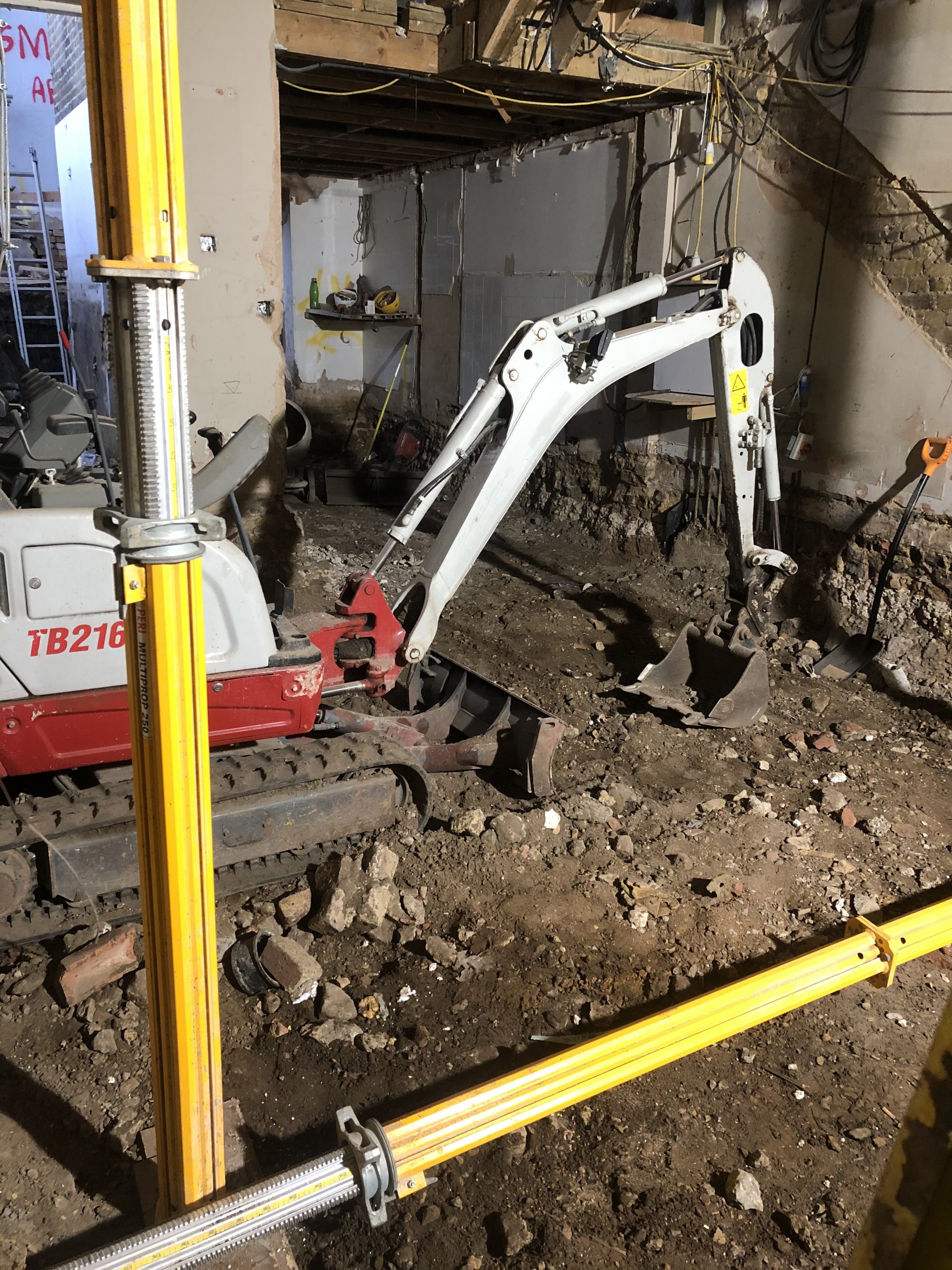
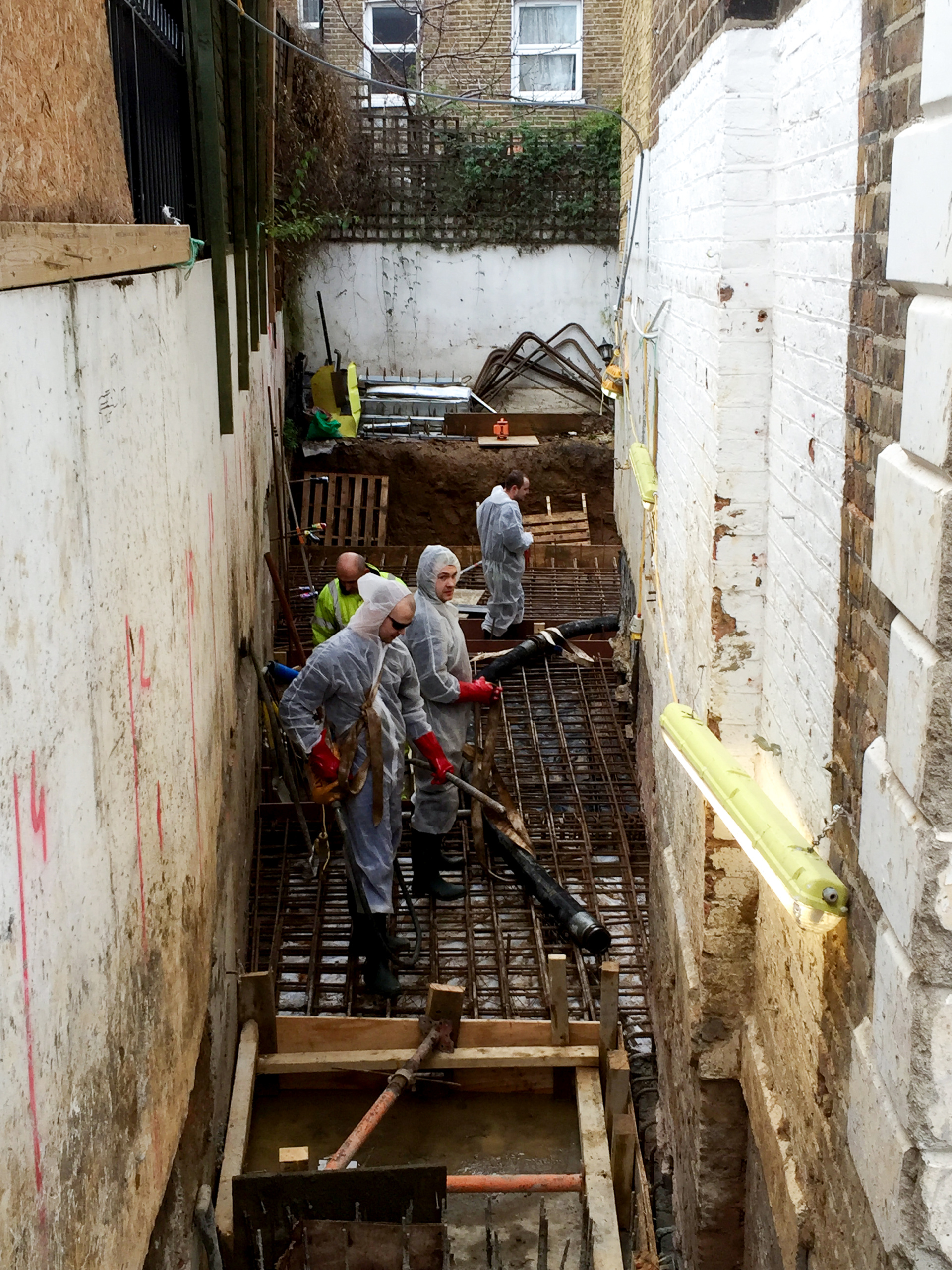
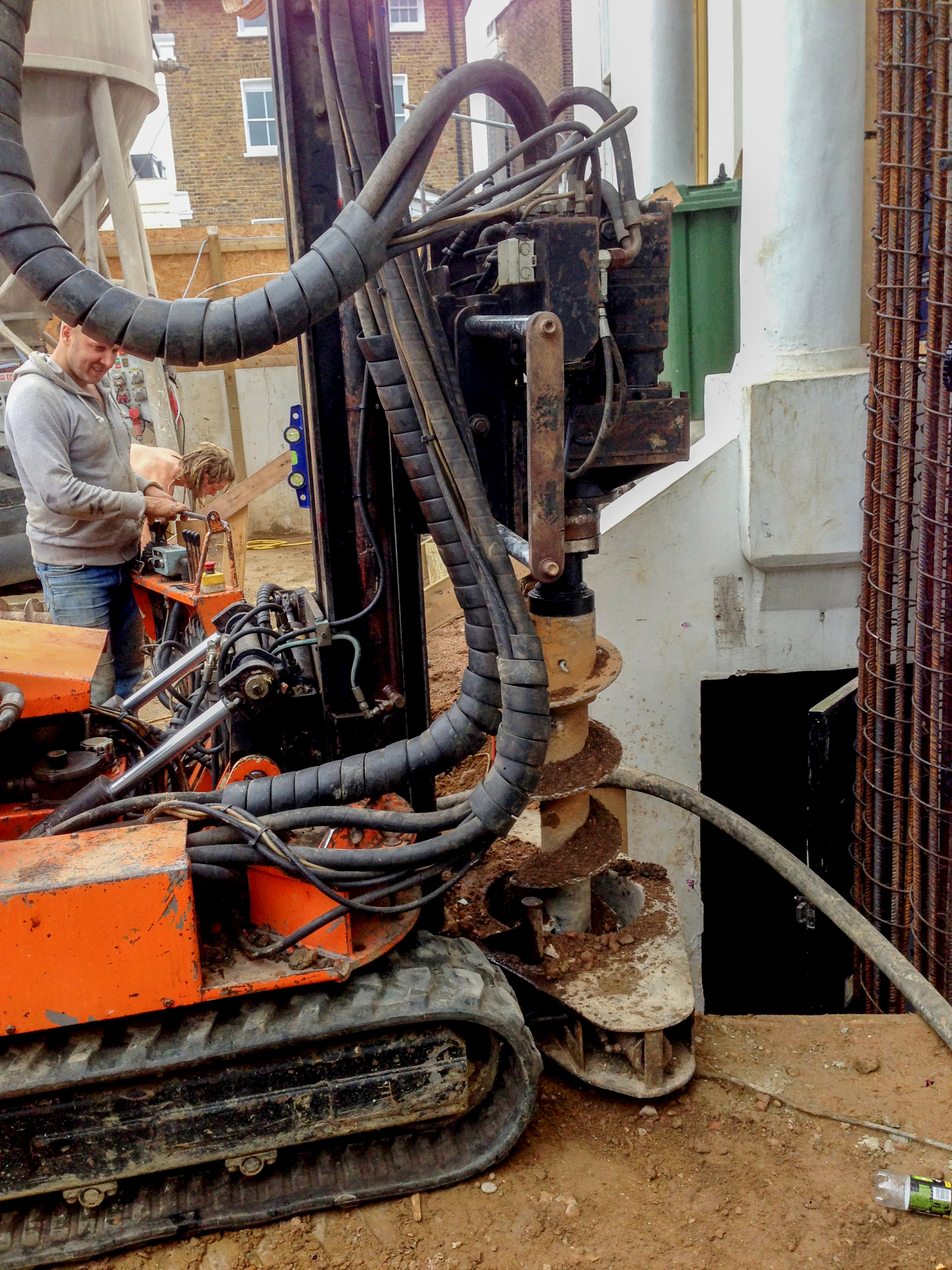
Clients often ask what does underpinning involve in terms of site impact. It requires excavation beneath the existing footings in a specific sequence of “bays” or “pins,” or the installation of piles and needle beams. It is significant construction work. Therefore, if the question can subsidence be fixed without underpinning can be answered in the affirmative through drain repairs or tree management, it is always the preferred route for insurers and homeowners alike.
Conclusion
The structural integrity of a building is non-negotiable. However, the method of achieving stability varies. Can subsidence be fixed without underpinning? In many cases, yes. By accurately diagnosing the cause—whether it is a thirsty tree or a leaking pipe—we can often stabilize the property by addressing the environmental factors rather than altering the structure.
However, should these measures fail to arrest the movement, one must be prepared to answer what is underpinning on a house and proceed with the necessary engineering works. But before you commit to the cost and disruption of what does underpinning involve, ensure that a qualified structural engineer has thoroughly explored all other avenues.