






Restoring Stability: What Is Underpinning for Subsidence Issues?
Subsidence is perhaps the most dreaded word in the lexicon of UK property ownership. For anyone owning a Victorian terrace in North London or a period property on the shrinkable clay soils of the South East, the appearance of diagonal cracks around door frames or windows is a call to action, not a cosmetic nuisance. When the structural integrity of a building is compromised by ground movement, the solution often lies in strengthening the very roots of the property. This brings us to the fundamental question: what is underpinning?
It is a term frequently bandied about by surveyors and structural engineers, yet it is often misunderstood by the layperson. What is underpinning represents a significant structural intervention, essential for halting movement and restoring stability to a compromised asset.
Defining the Core Concept: What Is Underpinning?
To understand the remedy, one must understand the failure. Many period properties in London were built on shallow footings that simply do not meet modern standards, especially given the volatility of our clay-rich subsoils. In this context, what is underpinning? It is the process of strengthening and stabilizing the foundation of an existing building or other structure.
This is achieved by extending the foundation in depth or breadth so that it rests on more supportive soil strata or distributes its load across a greater area. When a client asks what is underpinning, we are discussing a method to bypass the unstable soil directly beneath the existing footings—whether that instability is caused by tree root desiccation, leaking drains washing away fines, or simple soil compaction.
The Technical Perspective: What Is Underpinning in Construction?
From an engineering standpoint, the definition becomes more granular. What is underpinning in construction refers to a range of specific methodologies, not a single technique. It is the transfer of the building’s load from the old foundations to new, deeper ones.
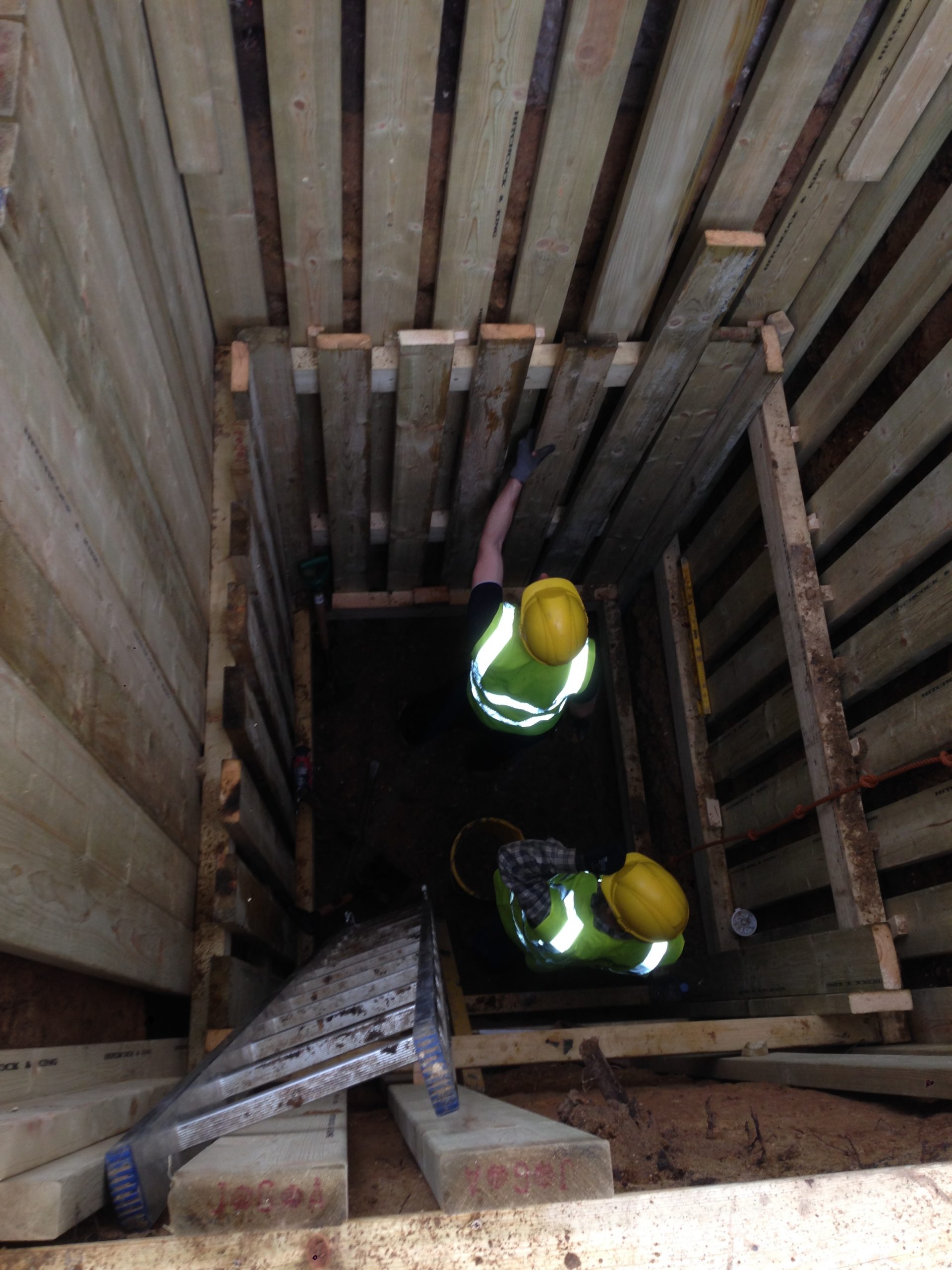
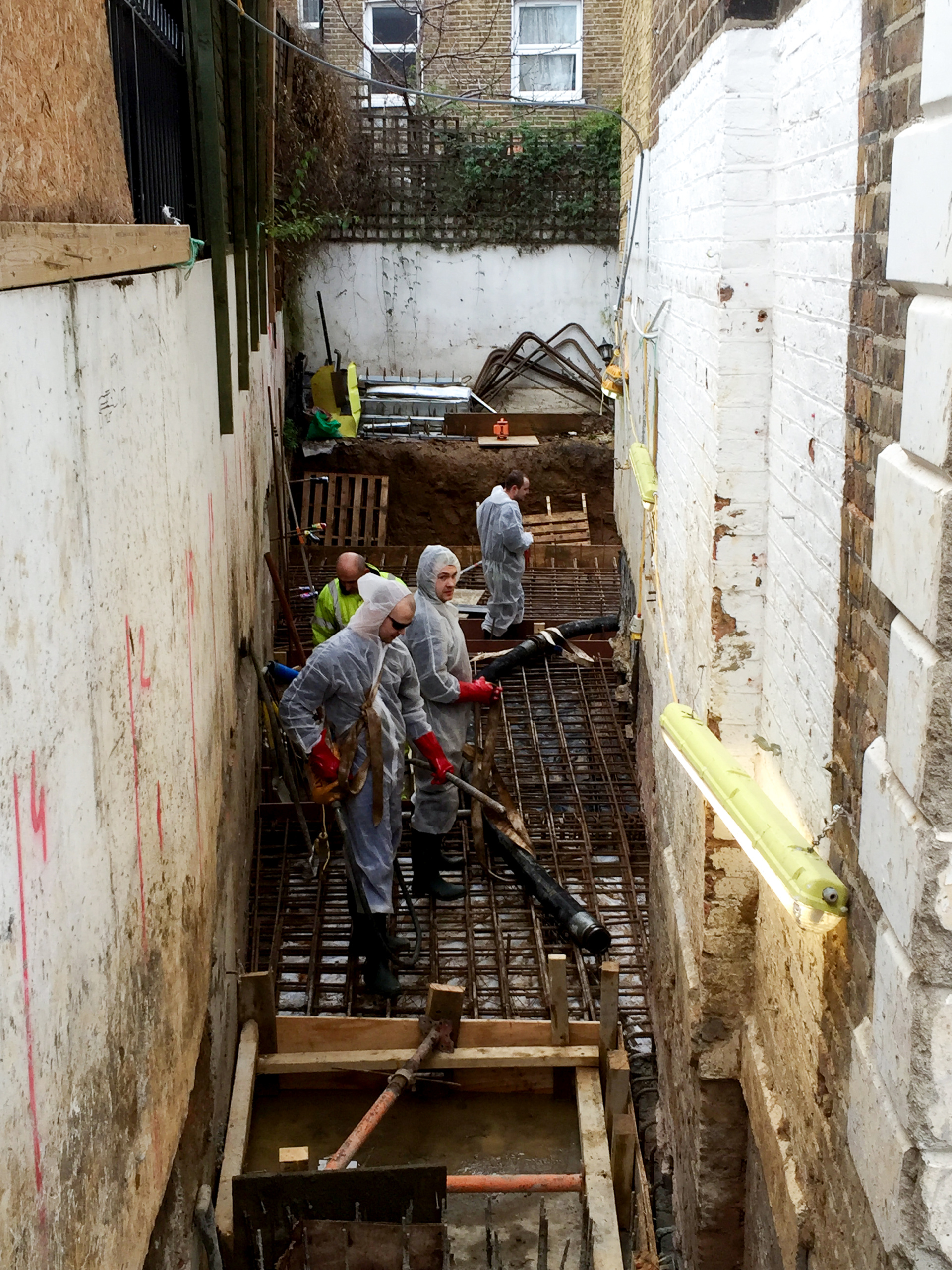
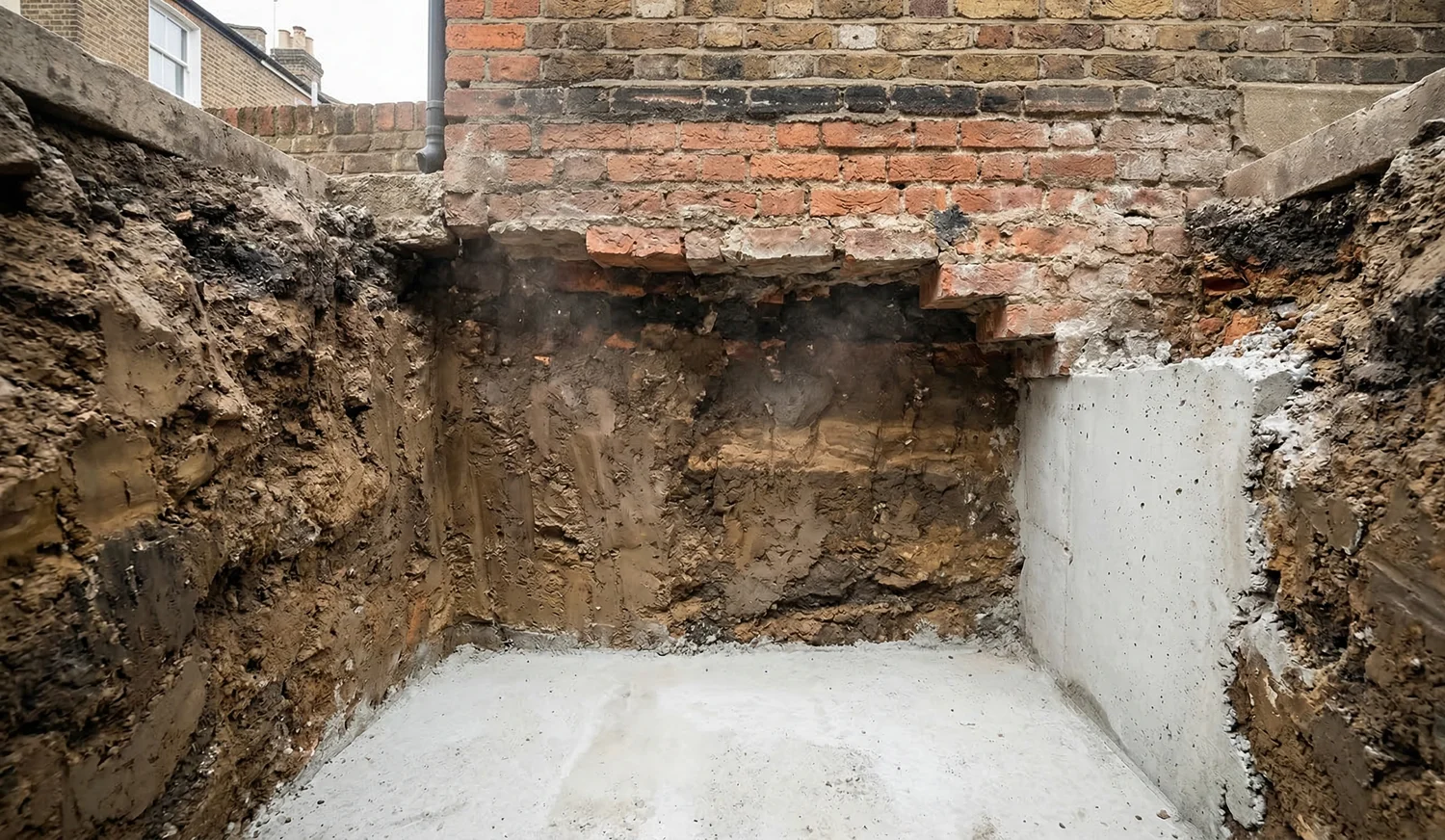
In the UK construction sector, this is most commonly achieved via “mass concrete” underpinning—excavating box-shaped voids (bays) beneath the existing footings and filling them with concrete in a strategic sequence to avoid collapse. However, what is underpinning in construction can also refer to more complex solutions like mini-piling or beam and base methods, particularly when we are dealing with deep subsidence where good ground is found only at significant depths, common in parts of the Thames Valley.
Residential Application: What Is Underpinning a House?
Applying these heavy civil engineering principles to a domestic setting requires precision. What is underpinning a house involves a meticulously staged operation. Unlike a new build, we are working with a live load. The house is heavy, and the ground is moving.
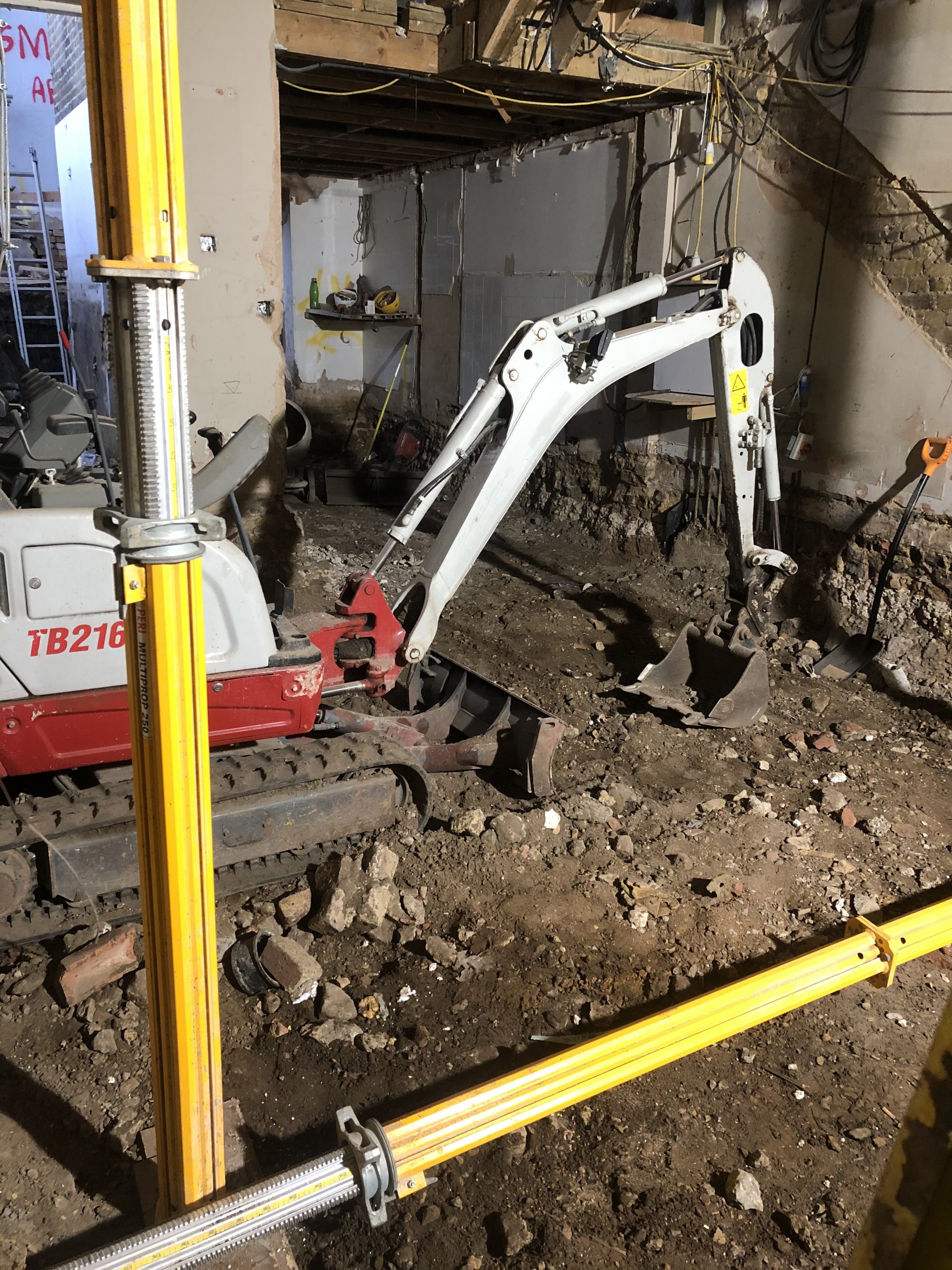
When we talk about what is underpinning a house, we are often addressing the specific interaction between the structure and its environment. For instance, if you are planning a basement conversion in a terrace, underpinning is necessary to lower the floor level safely. Or, if a large oak tree has sucked the moisture out of the clay causing the corner of your home to drop, what is underpinning a house becomes the remedial action to arrest that movement before the masonry fails completely.
The Mechanics: How Does Underpinning Work?
The physics behind the process relies on transferring load paths. How does underpinning work in practice? If we look at the traditional mass concrete method, we excavate underneath the existing footing in short sections, known as “pins” or “bays,” typically 1 to 1.2 meters in length. We never excavate the whole length of a wall at once, as the building would collapse.
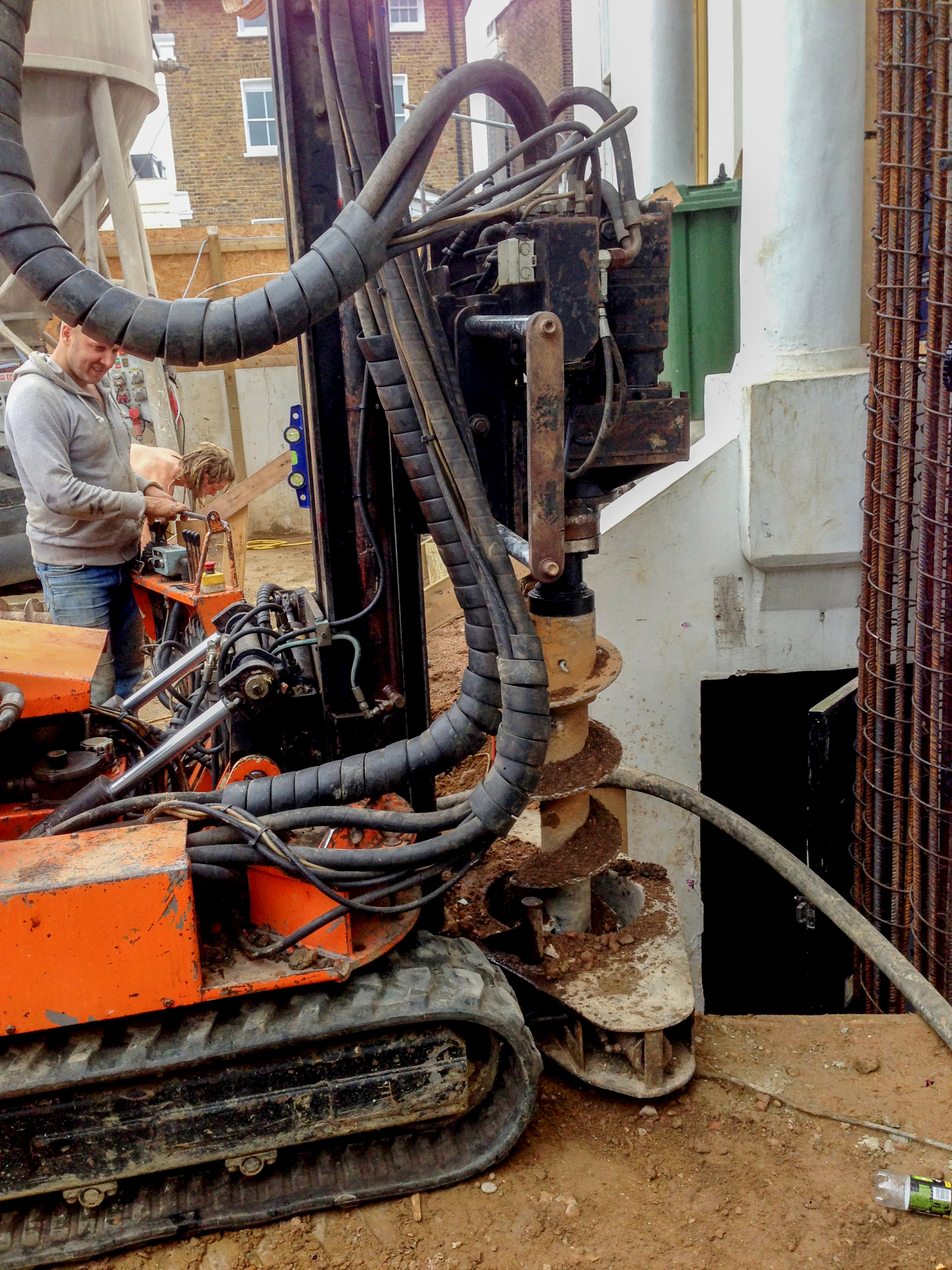
Once the excavation reaches stable ground, we pour concrete to within a few inches of the underside of the old foundation. The critical final step of how does underpinning work is the “dry packing.” A semi-dry sand and cement mix is rammed into the gap between the new concrete and the old footing. This ensures the load is effectively transferred downwards. In piling scenarios, how does underpinning work involves drilling steel-encased concrete piles through the weak soil until they hit bedrock or stiff clay, and then linking these piles to the house via a reinforced concrete needle beam.
The Financial Reality: Does Underpinning Devalue Property?
This is the question that keeps homeowners awake at night. Does underpinning devalue property? The market perception here is complex. Historically, there was a significant stigma attached to underpinned houses. Buyers worried about future movement and insurance premiums.
However, we must look at this logically. An underpinned house is structurally more stable than a neighboring property that has not been underpinned but sits on the same dodgy soil. So, does underpinning devalue property? In the short term, it can reduce the pool of potential buyers, as some mortgage lenders have stricter criteria. However, a property with active, untreated subsidence is essentially unsellable to anyone but cash buyers looking for a steep discount.
If the work is carried out by a reputable contractor, signed off by a structural engineer, and comes with a Certificate of Structural Adequacy, the value is preserved. Ultimately, does underpinning devalue property less than a collapsing wall? The answer is an emphatic no. It restores the asset to a mortgageable condition.
Conclusion
Subsidence is not a problem that solves itself. When cracks appear, understanding what is underpinning is the first step toward a solution. It is a precise, engineered response to ground failure. Whether through mass concrete or piling, it provides the solid footing your property requires to withstand the shifting London geology. Do not fear the process; fear the inaction.